liam zheng
on 2 October 2017
Highlights
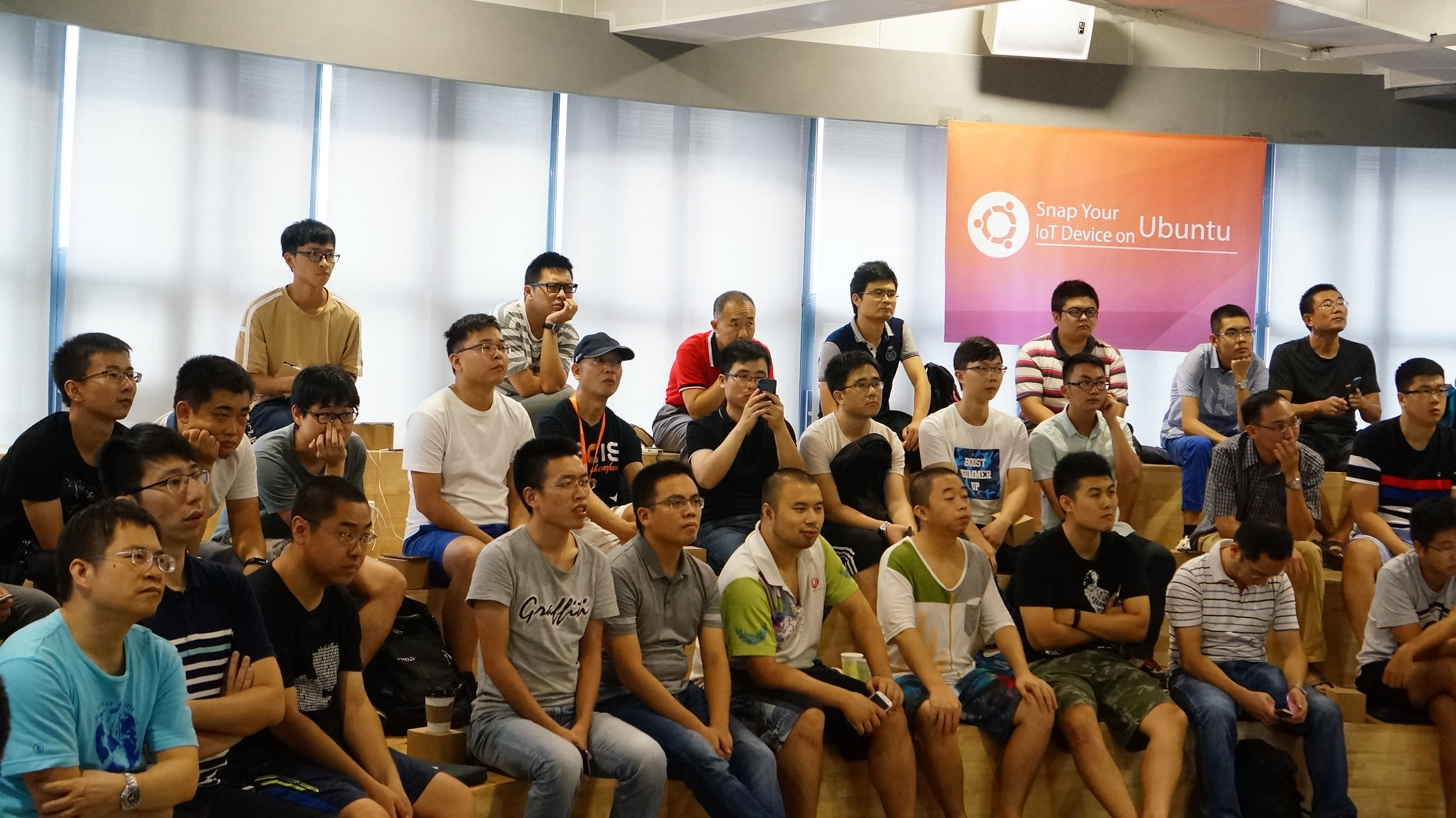
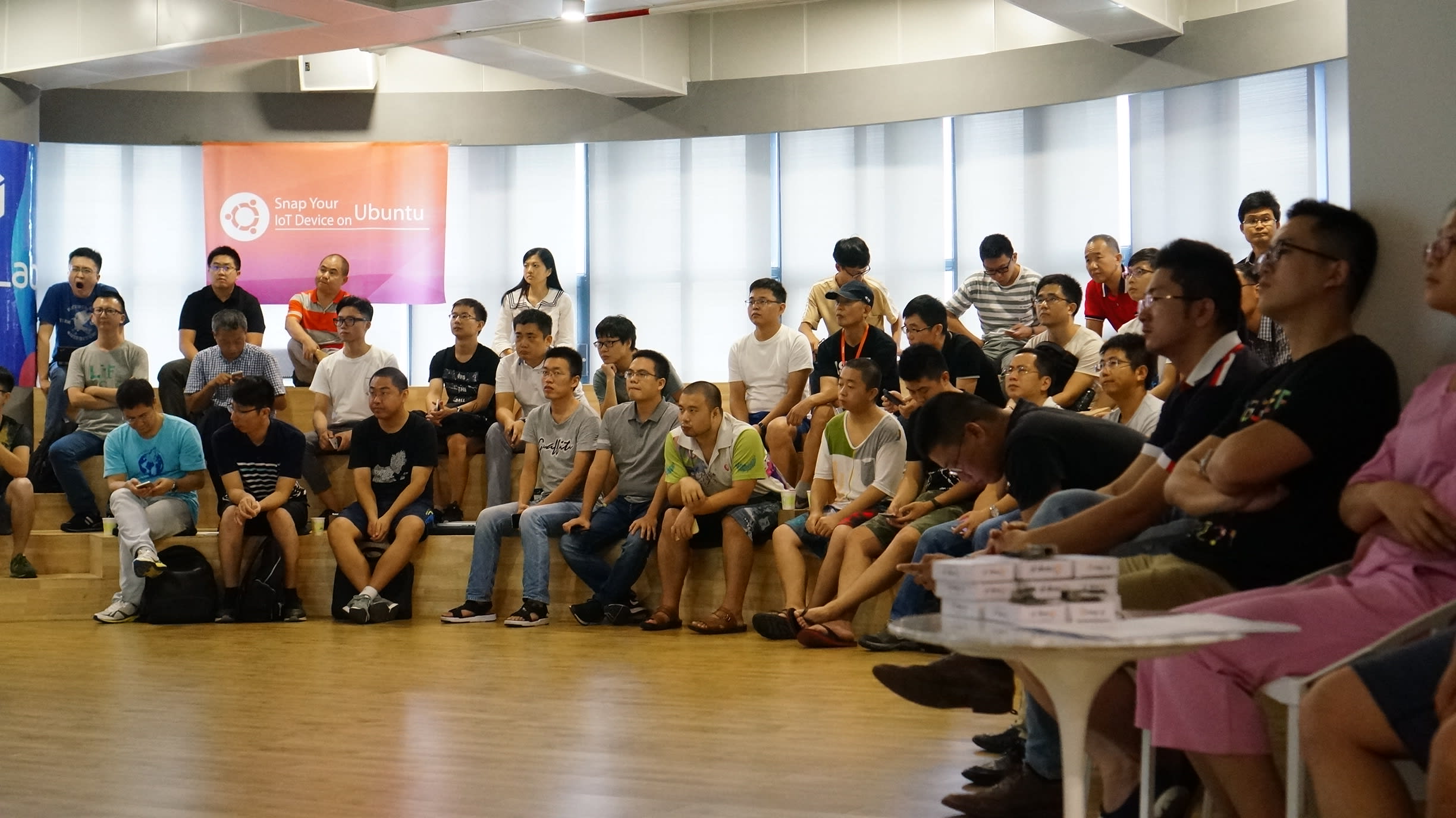
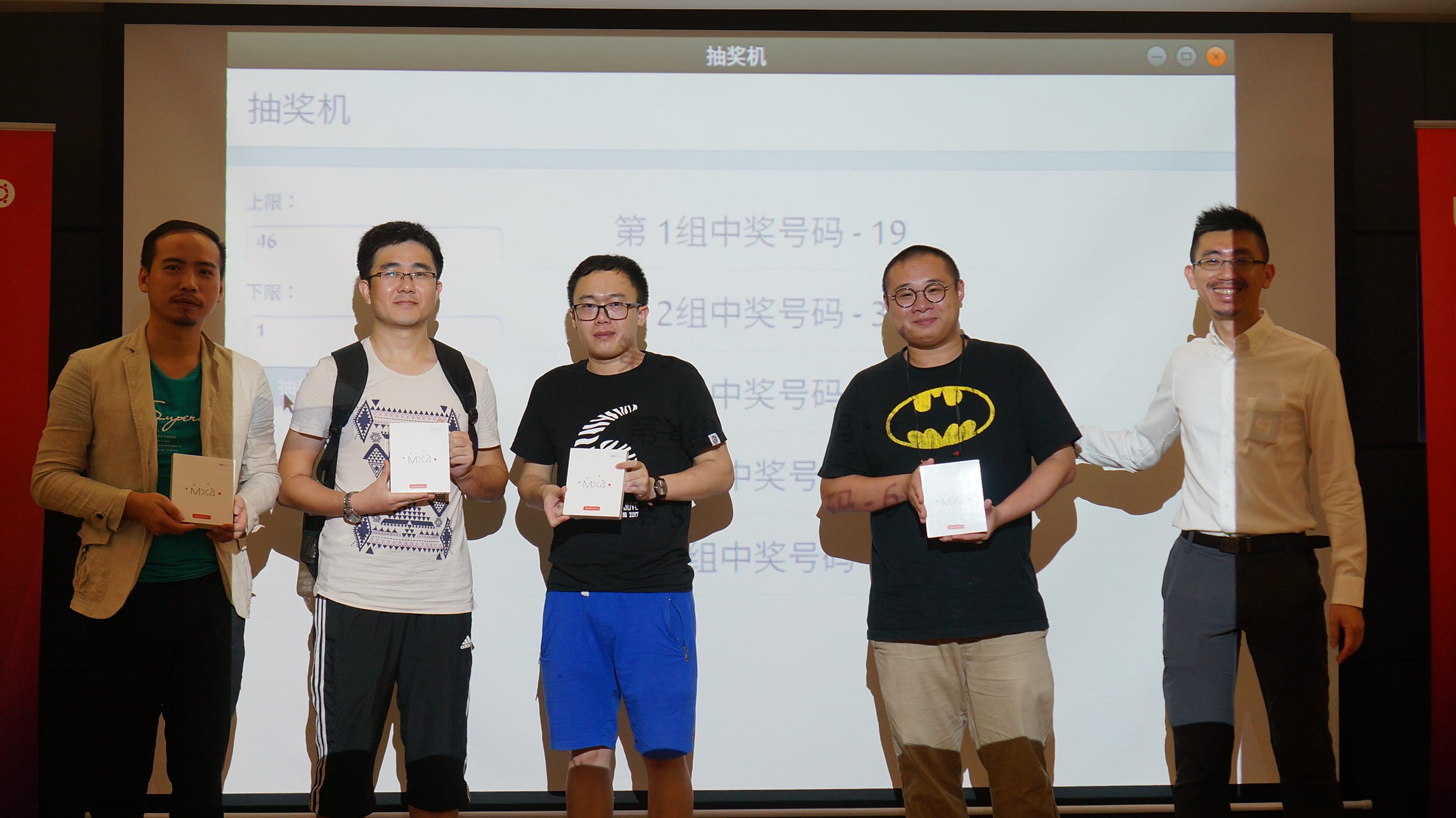
- The first Ubuntu Core workshop in Shenzhen
- Orange Pi Ubuntu Core App Store is online
- Three SOC companies showcase Ubuntu based solution
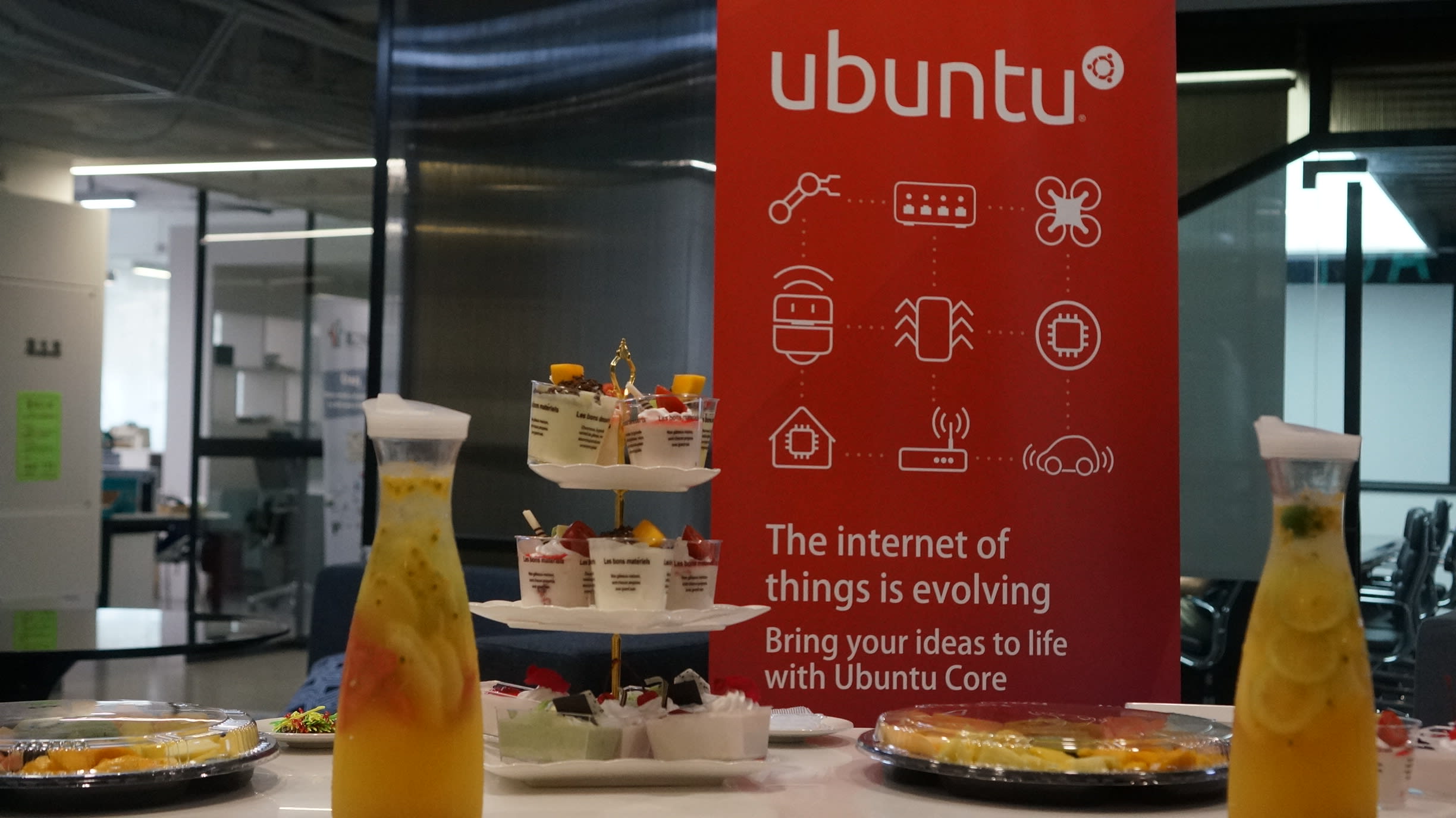
Shenzhen city is a dream place for makers and startups that are building the hardware that will be seating on your shelf / deck/ car / table in the years to come. For this reason Canonical and a number of partners organised a workshop there on the 1st of September, highlighting how Ubuntu Core can help them in the creation process. Our partners are ready to tell the stories about the creation based on Ubuntu.
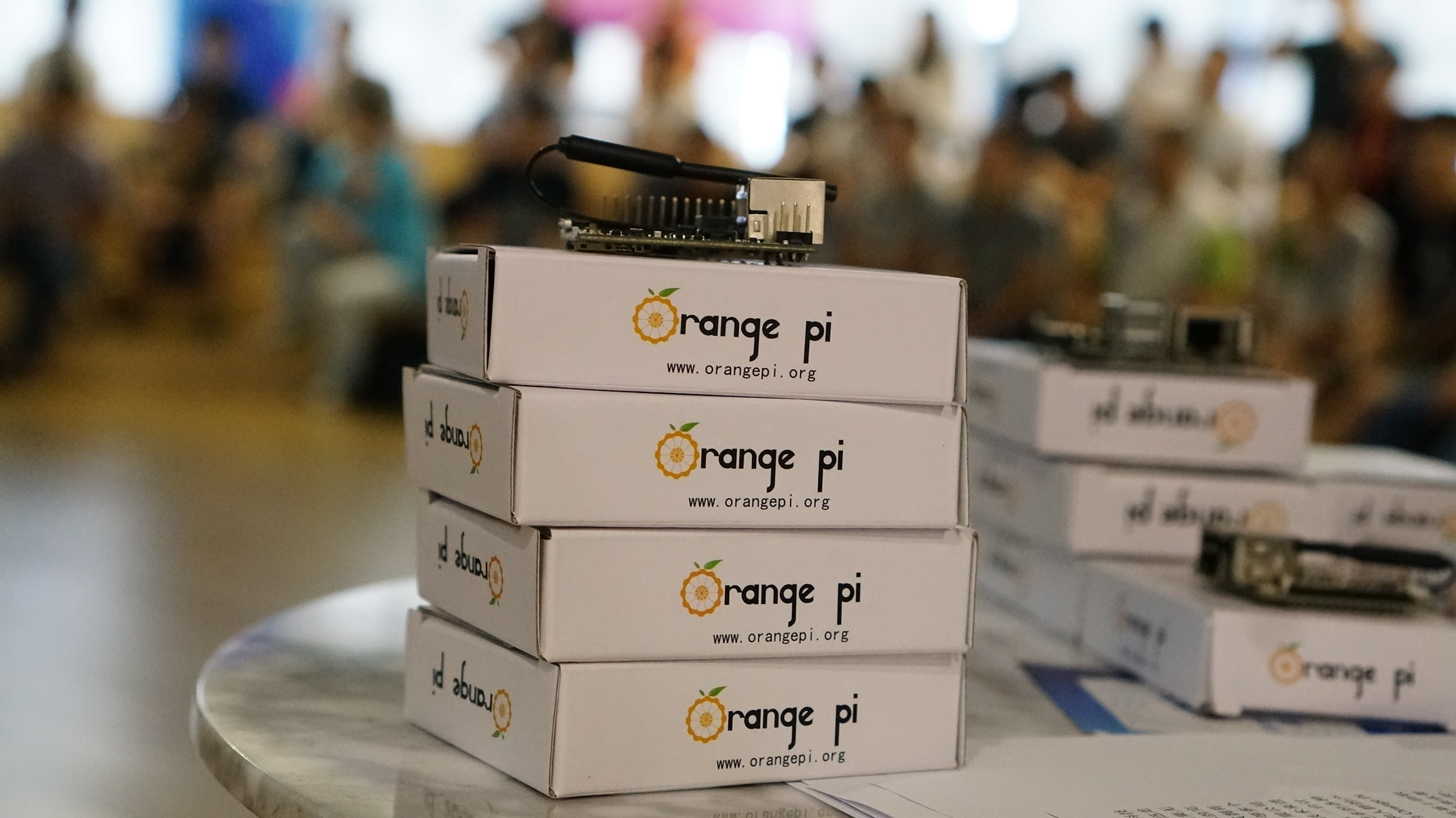

Before introducing the workshop, there’s a good news to share that Orange Pi snap store is now online. If you have a Orange Pi on your hands, it’s time to contribute your own projects! To get started you can download an Ubuntu Core image for Orange Pi here.
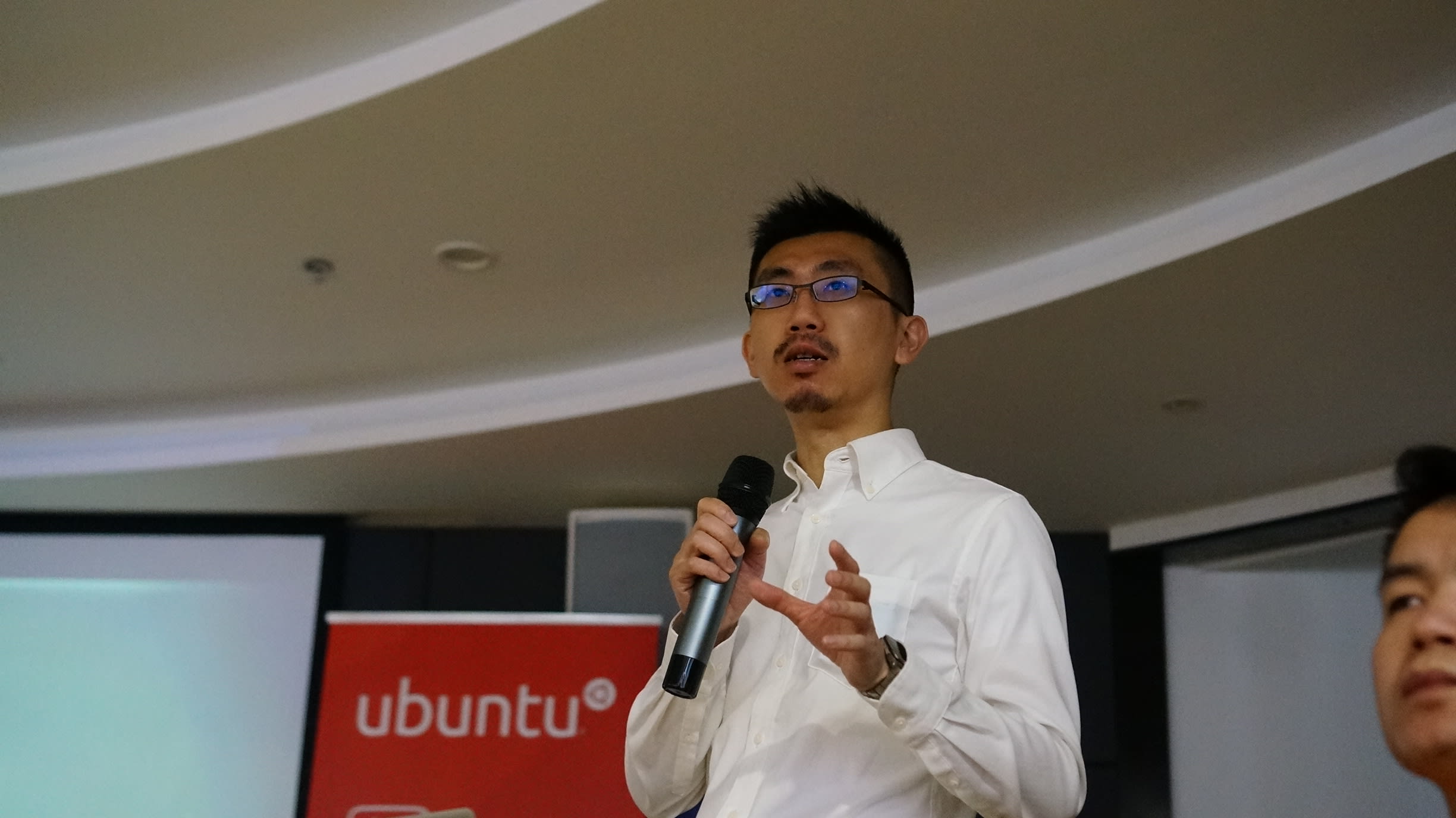
First of all, Canonical architect Rex Tsai shared the latest news about snaps and Ubuntu Core. Ubuntu Core is a tiny, transactional version of Ubuntu for IoT devices and large container deployments. It runs a new breed of super-secure, remotely upgradeable Linux app packages known as snaps ‐ and it’s trusted by leading IoT players, from chipset vendors to device makers and system integrators. You can easily build your solutions on IoT devices, for secure and manageable devices.
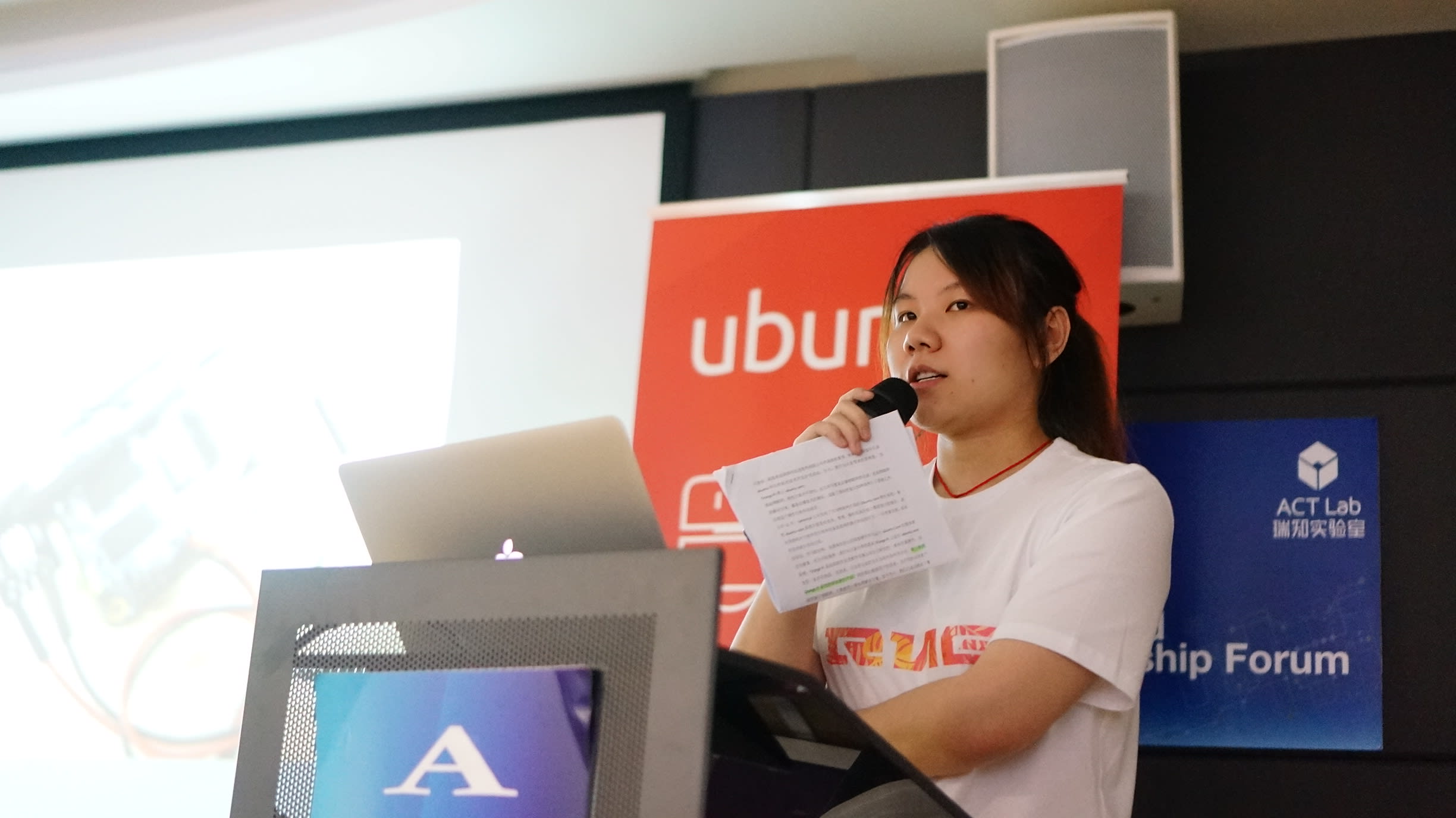
Secondly, Orange Pi marketing manager Xiafei explained how to get started with Ubuntu and Ubuntu Core on the Orange Pi Zero ( CPU: Quad-core Cortex-A7, RAM: 256MB/512MB, GPU: Mali400MP2 GPU @600MHz), as well as how to submit snaps into their application store. The image is ready, you download from here. Orange Pi also has its own logistics/high technology/capital business industry, also provides the solution for IoT, bigdata, cloud companies. They share the Orange Pi Zero image making procedure and how to configure after the first bootup.
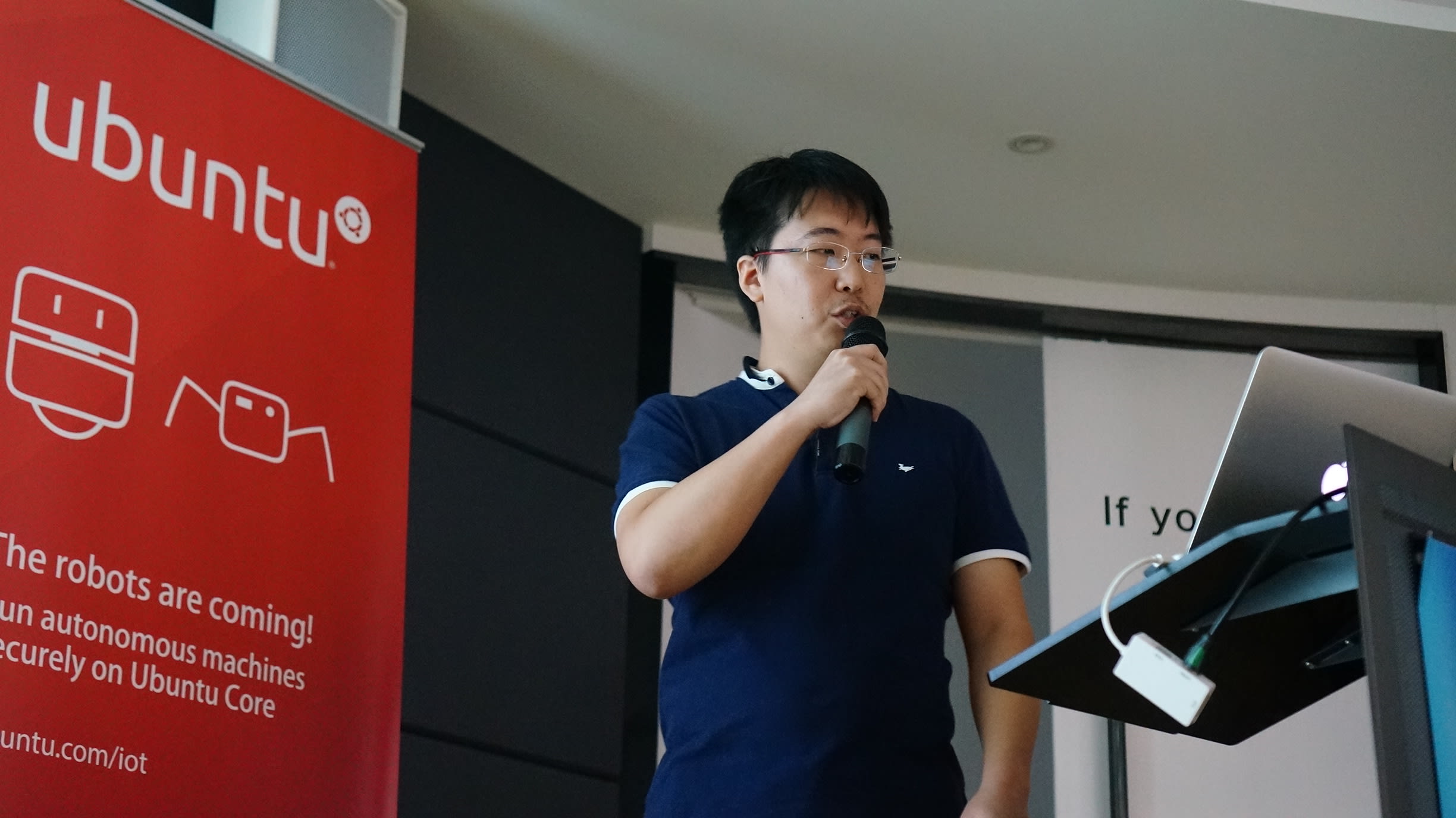
Thirdly, CrazyPi introduced their SLAM (Simultaneous Localization And Mapping) cameras, gimbal and Ubuntu drivers to transform a CrazyPi into a robotic development kit. When you put CrazyPi into a new environment, CrazyPi can locate and draw the map itself by using 4k points/s Lidar. At the same time, you can watch in real-time 720P video from anywhere in the world. It has full kits that you can develop the real time robot at home, office, factory, then access and control it remotely.
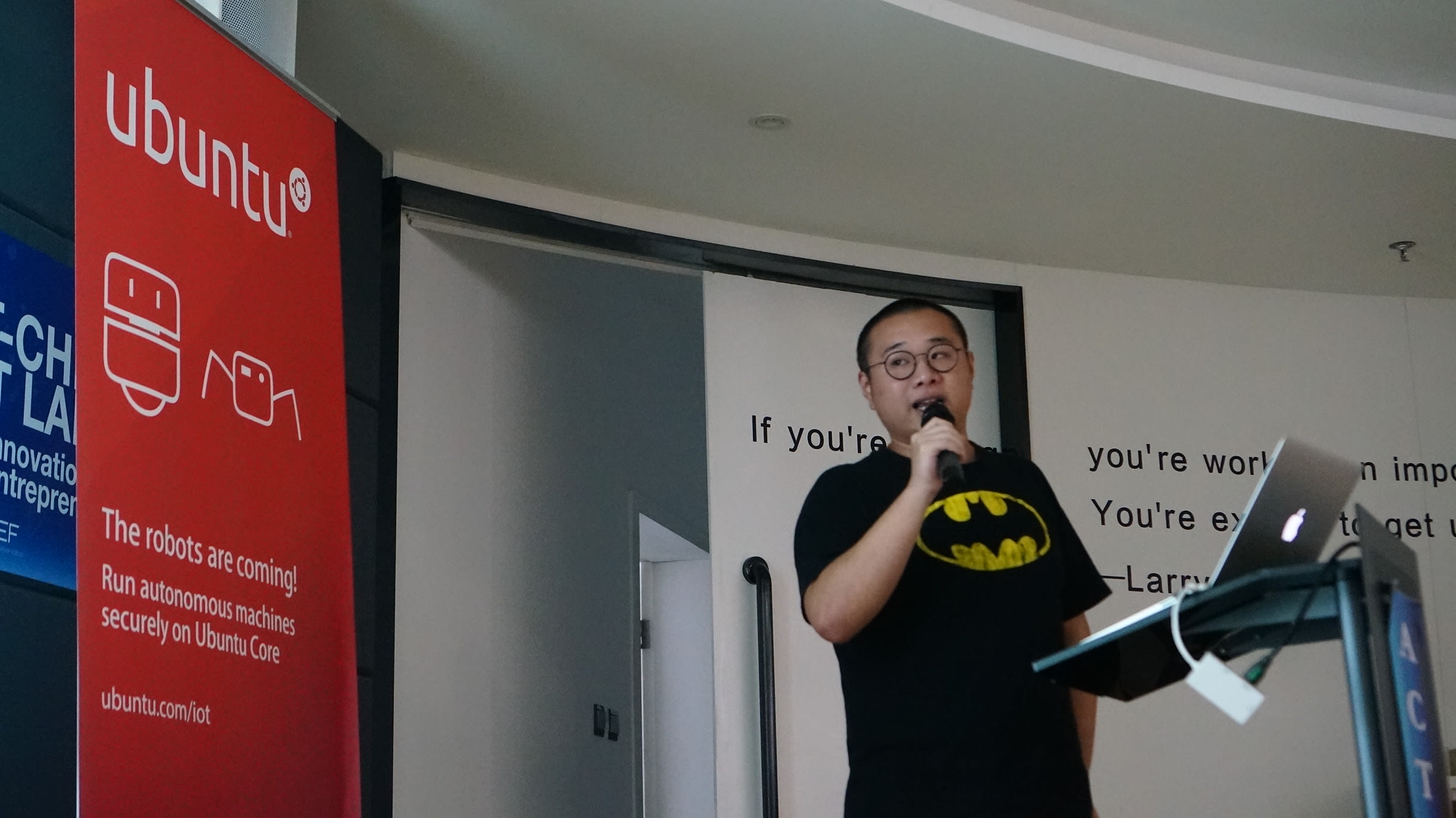
Last, uCRobotics is a Hi-tech company focusing on Intelligent Platform, System Integration, and the development of Embedded System, etc. uCRobotics has enabled the Ubuntu Core 16 on Bubblegum 96board, you can check the tutorial from here. It has quad-core ARM Cortex-A53 64-bit SoC up to 1.8GHz and with imagination 600MHz PowerVR G6230 GPU, 2GB LPDDR3 DRAM (800MHz) and 8GB eMMC on board flash storage. Bubbegum 96board can provide the powerful performance for multi-media computing, robot development, such as 3D mapping, high quality media play on Ubuntu Core.